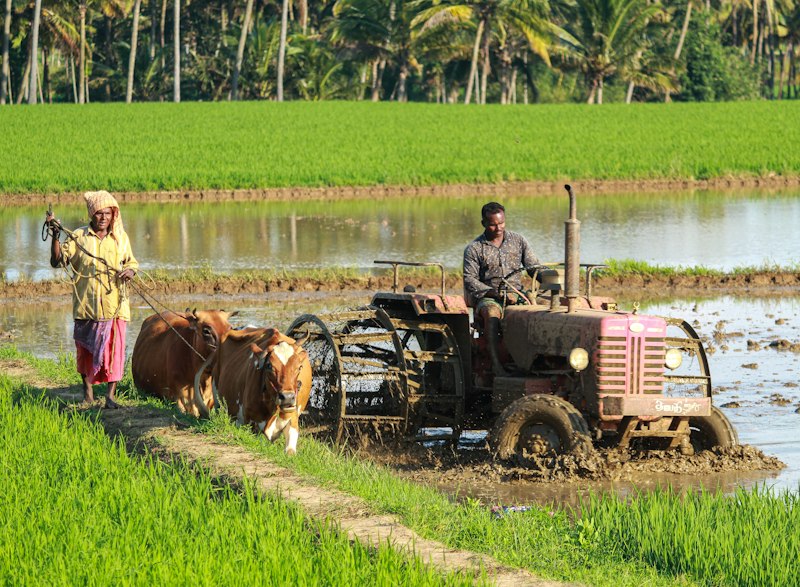
Fresh water is one of the most precious resources on the planet, and agriculture is by far its largest consumer. Traditional farming accounts for roughly 70 percent of all freshwater withdrawals worldwide, with much of that water lost to evaporation, runoff, and inefficient irrigation. Hydroponic systems offer a dramatically different approach, using closed-loop designs that can reduce water consumption by 90 to 95 percent compared to conventional field farming.
How Hydroponic Water Recycling Works
In a traditional farm field, water is applied to the soil through irrigation. Much of it seeps below the root zone, runs off into nearby waterways, or evaporates into the atmosphere before plants can absorb it. The plants themselves only take up a fraction of the total water applied.
Hydroponic systems flip this model entirely. Plants grow with their roots submerged in or regularly bathed by a nutrient-rich water solution. After passing through the root zone, the solution is collected, filtered, and recirculated. The only water that leaves the system is what the plants actually absorb and transpire through their leaves, plus a small amount lost to evaporation from exposed tank surfaces.
In a well-designed closed-loop hydroponic system, water usage can be as low as 2 to 5 litres per kilogram of lettuce produced, compared to 200 to 300 litres per kilogram in field agriculture. That is not a marginal improvement; it is a fundamental shift in how efficiently we use water for food production.
Key Water Conservation Technologies
Nutrient Film Technique (NFT)
NFT systems use a thin, continuously flowing film of nutrient solution along the bottom of a sloped channel. Plant roots sit in this shallow stream, absorbing water and nutrients as they need them. Because the water layer is so thin, evaporation losses are minimal, and the solution is recirculated constantly. NFT is particularly efficient for leafy greens and herbs.
Deep Water Culture (DWC)
In DWC systems, plants float on rafts above a reservoir of nutrient solution, with their roots hanging directly into the water. Air stones or diffusers oxygenate the solution to keep roots healthy. DWC systems are among the simplest to operate and maintain, and their enclosed reservoirs minimize evaporation.
Aeroponics
Aeroponic systems take water efficiency to the next level by delivering nutrients as a fine mist sprayed directly onto the roots, which hang suspended in air inside an enclosed chamber. Because the mist uses extremely small droplets, the total water volume is even lower than in NFT or DWC systems. NASA has researched aeroponics extensively for potential use in space-based food production, where every drop of water is precious.
Smart Monitoring and Automation
Modern hydroponic farms rely on sensors and automation to maintain water quality and minimise waste. Key parameters monitored in real time include:
- pH levels: Most crops grow best in a pH range of 5.5 to 6.5. Automated dosing systems adjust pH by adding small amounts of acid or base as needed.
- Electrical conductivity (EC): This measures the concentration of dissolved nutrients in the solution. If the EC drifts too high or low, the system adjusts nutrient dosing or adds fresh water.
- Dissolved oxygen: Healthy roots need oxygen. Sensors ensure that aeration systems are maintaining adequate dissolved oxygen levels.
- Temperature: Water temperature affects nutrient uptake and root health. Most systems maintain the solution between 18 and 22 degrees Celsius.
By continuously monitoring these parameters, farms can maintain optimal growing conditions while avoiding the overuse of water and nutrients. Some advanced systems use machine learning algorithms to predict when adjustments will be needed, reducing waste even further.
Addressing Water Quality Challenges
Recirculating water systems must also manage the risk of waterborne pathogens and mineral buildup. Over time, salts and minerals can accumulate in the solution, creating imbalances that harm plant growth. Most commercial operations periodically flush and replace a portion of the solution, using the spent water for irrigation of outdoor plants or other non-food applications rather than discarding it.
UV sterilisation and ozone treatment are commonly used to control bacteria and fungi in the recirculating water without adding chemical disinfectants. These technologies keep the water clean while maintaining its nutrient content.
Why This Matters
As climate change intensifies droughts and reduces freshwater availability in many agricultural regions, the water efficiency of hydroponic systems becomes increasingly relevant. Countries in the Middle East, North Africa, and parts of Asia and the Americas are already investing in hydroponic and vertical farming infrastructure specifically because of water scarcity.
Even in regions with adequate rainfall, reducing agricultural water use frees up freshwater for ecosystems, drinking water supplies, and industrial use. Every litre of water saved in food production is a litre available for other essential needs.
For the vertical farming community, water conservation is not just an environmental talking point. It is a core operational advantage that makes indoor agriculture viable in places where traditional farming simply cannot work. As hydroponic technology continues to advance, we can expect water efficiency to improve even further, strengthening the case for controlled environment agriculture as a key component of global food security.